Arizer Solo Glass or Wooden Stems - Which is Best?
Share
Arizer Solo and Air stems come in glass as standard, and wooden mouthpieces have been a long-running third-party option. The choice is less about which material is “objectively best” and more about what you want from flavor, durability, cleaning, and how the stem changes the draw. Here is a practical comparison for Solo / Air-style aromatherapy tubes.
What both stems are trying to do
An Arizer stem is the bowl, the vapor path, and the mouthpiece in one glass (or wood) tube. Herb sits in the heated end; you inhale from the cool end. Length, bore, and any dimples or beads change cooling and draw resistance. Material changes taste, heat at the lips, and how you clean or replace the piece.
Glass stems — the default for a reason
Borosilicate glass is flavor-neutral. It does not add a woody or oily note, so the strain’s terpene character stays clearer. Glass is easy to inspect for residue, tolerates isopropyl soaks, and is available in short, long, spiral, dimpled, high-airflow, and water-adapter forms from Arizer and aftermarket makers such as The Vapetrix.
Strengths: clean taste, huge variety, straightforward deep cleans, compatible upgrades (spacers, XL tubes, WPAs).
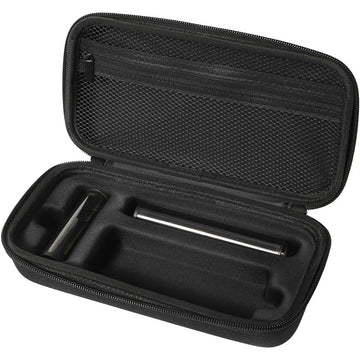
Trade-offs: it can break if dropped or thermally shocked. Travel cases and shatter-resistant wraps help, but glass is still glass.
- Classic short 70mm stems (pack of 2)
- Ultra dry cooling stem
- Vortex spiralled cooling stem
- Armor-Wrap shatter-resistant kit
Wooden stems — durability with a taste cost
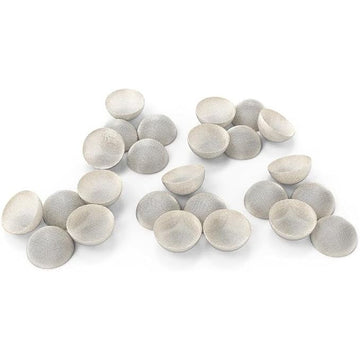
Wooden Arizer-style stems (historically popular from makers such as Ed’s TNT) trade purity of flavor for toughness and a warmer feel at the lips. Wood is far harder to shatter in a bag. The flip side is a woody note that some people like and many do not, plus cleaning limits — you cannot soak wood in alcohol the way you soak glass without damaging the piece.
Strengths: impact resistance, comfortable mouth feel for some users, distinctive look.
Trade-offs: added taste, harder deep cleans, fewer geometry options than modern glass cooling stems, and resin buildup that is tougher to reverse.
If you already know you enjoy a lightly toasted, woody edge on your vapor, a wooden stem can be a deliberate choice. If you bought an Arizer for clean aromatherapy flavor, glass will usually match that goal better.
Flavor, clouds, and temperature feel
Glass wins on neutral flavor and on how easily you can pair cooling features (length, spirals, beads, dimples) with lower harshness at a given set temperature. Wood can feel softer on the lips but often mutes brighter terpene notes. Cloud density is still mostly heater, pack, and temperature — the stem modulates cooling and draw, not oven power.
For more on Solo 3 stem options specifically, see the ultimate guide to Arizer Solo 3 stems and high air flow stems for the Solo 3.
Cleaning and ownership cost
Glass: soak, rinse, dry, repeat for years if you do not break it. Buy spares in packs so a mishap is a five-minute swap.
Wood: wipe and careful maintenance; aggressive soaking shortens life. Because deep cleans are limited, some owners keep wood for travel and glass for home flavor sessions.
Which should you buy?
- Choose glass if flavor purity, upgrade paths, and easy cleaning matter most — that is the right default for most Solo / Air users.
- Choose wood only if you specifically want the durability and taste profile, and you accept lighter cleaning options.
- Practical combo: glass as your daily driver, plus a protected glass travel stem (or wrap kit) rather than assuming wood is the only durable answer.
Solo 2, Solo 3, and Air Max fit notes
Stem diameters for the classic Solo / Air family are broadly shared across Solo II, Air Max, and Solo 3 aromatherapy tubes, but always confirm the product listing for your generation. Solo 3 owners often prefer longer or high-airflow glass because the heater can support denser sessions; that is another reason glass ecosystems moved faster than wood. If you are building a kit from scratch, a short glass stem plus one cooling stem covers home and pocket use without needing wood for durability.
Related reading: best Arizer Solo II glass stems for cooler vapor.
Common myths
- “Wood always hits harder.” Density comes from the heater and temperature, not the mouthpiece material.
- “Glass always breaks immediately.” Careful handling and a spare stem make glass very practical; wraps add margin for travel.
- “One stem is enough forever.” Screens, spacers, and a second geometry (short vs cooling) usually improve daily use more than switching to wood.
Bottom line
Glass remains the best all-round Arizer Solo stem material for clean flavor and maintainability. Wooden stems solve breakability for some people but usually cost terpene clarity and easy cleaning. Unless you already know you like the woody profile, start with quality glass — short for simplicity, or a cooling stem if you want smoother vapor — and keep a spare so durability never depends on a single tube.