Alcohol vs Natural Cleaners: Which Works Better?
When it comes to cleaning your vaporizer and glass accessories, the debate often comes down to two options: high-purity isopropyl alcohol or natural cleaning solutions. Both have their place — but understanding how each works will help you choose the safest and most effective method for your setup.
Why Proper Cleaning Matters
Vapor residue is primarily made up of condensed plant oils and fine particles. Over time, this buildup:
- Restricts airflow
- Mutes flavor clarity
- Increases draw resistance
- Creates lingering odor
The goal of any cleaning method is to dissolve or loosen this residue without damaging delicate components.

Option 1: Isopropyl Alcohol (91% or Higher)
How It Works
Isopropyl alcohol breaks down sticky resin and oils quickly. It evaporates fast and leaves minimal residue when properly rinsed.
Best For:
- Glass stems and cooling units
- Water bubblers and adapters
- Metal screens
- Heavy resin buildup
Advantages
- Fast and highly effective
- Requires shorter soak times
- Minimal scrubbing needed
- Widely available
Limitations
- Not safe for electronics
- Extended soaking may dry out silicone
- Requires proper ventilation
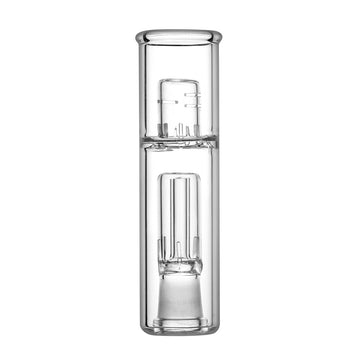
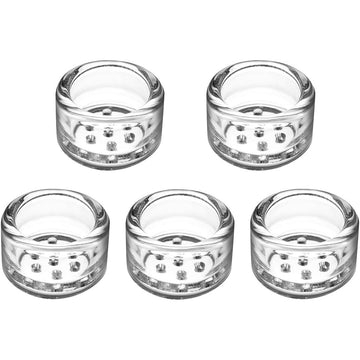
Using proper tools and compatible accessories from our Long-Draw Glass Mouthpiece for Mighty & Crafty collection makes alcohol-based cleaning safe and efficient.
Option 2: Natural Cleaners
Natural cleaning methods typically include combinations of warm water, mild soap, vinegar, lemon juice, or baking soda.
How They Work
Natural solutions loosen surface residue and reduce odor, but they generally do not dissolve heavy resin as effectively as alcohol.
Best For:
- Light maintenance cleaning
- Silicone whips and seals (when manufacturer-approved)
- Routine rinsing of lightly used glass
Advantages
- Gentler on some materials
- Lower odor during cleaning
- Good for quick refreshes
Limitations
- Less effective on hardened resin
- Requires more scrubbing
- May leave mineral residue if not rinsed thoroughly
Side-by-Side Comparison
| Feature | Isopropyl Alcohol | Natural Cleaners |
|---|---|---|
| Effectiveness on Heavy Buildup | High | Low–Moderate |
| Cleaning Speed | Fast | Slower |
| Best for Glass | Excellent | Good (light buildup) |
| Best for Silicone | Limited use | Safer option |
| Odor During Cleaning | Strong | Mild |
When Alcohol Is the Better Choice
Choose alcohol if:
- Residue is dark and sticky
- Airflow is restricted
- Glass looks heavily stained
- Deep cleaning is overdue
Alcohol is especially effective for restoring glass cooling stems and water bubblers to near-original clarity.
When Natural Cleaners Make Sense
Natural methods are suitable when:
- Performing light weekly maintenance
- Cleaning sensitive silicone components
- Refreshing odor between deep cleans
If you’re upgrading to accessories designed for easier maintenance, browsing our Mighty and Crafty accessories collection can simplify long-term cleaning routines.

Important Safety Reminders
- Never pour alcohol into electronic components
- Avoid boiling water on glass
- Do not mix cleaning chemicals
- Always rinse thoroughly and allow full drying
Proper technique matters more than the product itself.
The Best Strategy: Use Both Wisely
For most users, the ideal approach is balanced:
- Use natural cleaners for routine light maintenance
- Use high-purity alcohol for deeper resin removal
- Replace worn screens and seals when needed
Our glass vs plastic mouthpiece comparison explains how vapor path cleanliness directly impacts flavor and airflow performance.
Final Thoughts
So, which works better — alcohol or natural cleaners? For heavy buildup and deep restoration, alcohol is the clear winner. For gentle maintenance and sensitive materials, natural cleaners have their place.
The key is knowing when to use each method. With consistent care and quality accessories from The Vapetrix, your vaporizer will stay clean, efficient, and ready for smooth sessions. Visit our Arizer blog for more expert maintenance tips and premium upgrades.