What Makes a Good Cooling Stem (and Why You Need One)
Share
A cooling stem is any mouthpiece that gives hot vapor more time and surface area to lose heat before it reaches you. Done well, it preserves flavor, reduces throat hit, and lets you run a more efficient temperature without chasing harshness. Done poorly, it just adds draw resistance and cleaning chores.
This article is a buying and use framework you can apply to Arizer, POTV, Mighty, Crafty, Venty, and similar dry herb devices. It explains what “good” actually means, how stem types differ, which in-stock options match common kits, and the mistakes that make people think cooling stems “do nothing.”
The four traits of a good cooling stem
- Path length or geometry — longer tubes, spirals, globes, or bead beds increase residence time so heat can leave the vapor stream.
- Clean materials — borosilicate glass stays flavor-neutral; quality metal is fine when you accept a different taste and thermal feel.
- Usable airflow — cooling that chokes the draw feels worse than a short hot stem. You should still get a comfortable pull at your normal technique.
- Cleanability — if you cannot soak or rinse it, residue will erase the flavor win within a week.
If a stem fails any one of those four, it rarely earns daily use. Pretty glass that cannot be cleaned is still a bad accessory.
Why you need one (even if stock feels fine)
Stock mouthpieces prioritize size and cost. They work. A dedicated cooling stem is for the sessions where vapor density climbs and terpene brightness fades into heat. Most people notice three changes: longer comfortable pulls, less urge to drop temperature too early, and clearer strain character in the first half of the bowl.
Cooling stems also extend how you use temperatures. Many owners keep a cooler stem for flavor-forward sessions and accept a warmer short stem only when pocket size wins. That flexibility is the real reason to own one — not because the stock tip is “broken.”
Cooling stem types compared
- Long straight glass — simple, tough to beat for value, easy to clean. Best first upgrade for many kits.
- Spiral / vortex — spins vapor along the wall for cooling without beads. Lively draw feel.
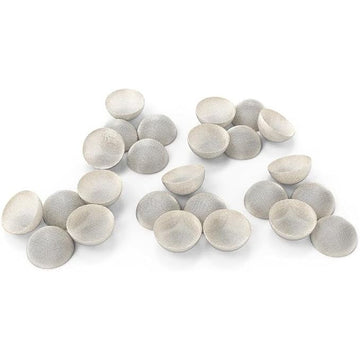
- Bead / pearl stems — maximum dry surface area in a compact length. Excellent for travel cooling.
- Dimpled or ribbed — disruption without loose parts; good middle ground.
- Water adapters / bubblers — strongest cooling; not always travel-friendly, and they need their own care routine.
None of these replace a clean oven and fresh screens. They amplify a healthy device; they do not rescue a clogged one.
Device-specific picks (in stock)
Arizer Solo 3 / Air Max: Ultra dry cooling stem, Vortex spiralled stem, Glacier pearl cooling stem (70mm), and the longer Aura XL pearl stem.
POTV Lobo / ONE: glass bead stem, spiralled stem, long straight stems.
Mighty / Crafty: Long-Draw glass mouthpiece, Vortex spiralled mouthpiece, dimpled Long-Draw.
Venty: Chill-Path long mouthpiece.
Matching stem to session goal
- Flavor night: glass spiral or beads, medium-low temp, open airflow, fresh grind
- Pocket carry: short cooler or slim bead stem; keep a spare short stem in the case
- Group / long bowl: longer path plus fresh screens so cooling is not fighting a clog
- Maximum smooth: water piece at home; dry cooler when you leave the house
- Concentrate-adjacent sessions on compatible hardware: still prioritize a clean dry path first — residue builds faster when vapor is denser
Technique that makes cooling stems shine
Pull steadily. Give the path a second to exchange heat. Do not pack the oven into a brick. If the stem has beads, avoid slamming the device so pearls shift into a plug. Step temperature up only after flavor peaks, the same way you would on stock glass. A cooling stem rewards patience more than force.
Common mistakes
- Buying the longest stem and packing the oven so tight that nothing can draw.
- Never cleaning pearls or spirals — old oil tastes hotter than fresh glass.
- Expecting a stem to fix a dirty cooling unit or worn screen on the device.
- Judging a cooler at maximum temperature on the first hit; step temperature like you would on stock.
- Owning five stems and rotating none of them through a cleaning cycle.
Care that keeps the upgrade honest
Soak glass in isopropyl, rinse, dry. Replace device screens on a schedule. Store stems dry so moisture does not trap odor. A cooling stem only delivers terpene-friendly vapor when the path is clean. If flavor collapses mid-week, clean before you buy another accessory.
Bottom line
A good cooling stem earns its place by combining path design, neutral materials, and airflow you will actually enjoy. Start with one glass cooler that matches your device, learn its draw, then add beads, spirals, or water for specific sessions — not as a pile of unused glass. When the stem, screens, and pack all cooperate, you get cooler vapor, better terpene clarity, and fewer sessions cut short by heat.